Archives
- 2026-06
- 2026-05
- 2026-04
- 2026-03
- 2026-02
- 2026-01
- 2025-12
- 2025-11
- 2025-10
- 2025-09
- 2025-03
- 2025-02
- 2025-01
- 2024-12
- 2024-11
- 2024-10
- 2024-09
- 2024-08
- 2024-07
- 2024-06
- 2024-05
- 2024-04
- 2024-03
- 2024-02
- 2024-01
- 2023-12
- 2023-11
- 2023-10
- 2023-09
- 2023-08
- 2023-07
- 2023-06
- 2023-05
- 2023-04
- 2023-03
- 2023-02
- 2023-01
- 2022-12
- 2022-11
- 2022-10
- 2022-09
- 2022-08
- 2022-07
- 2022-06
- 2022-05
- 2022-04
- 2022-03
- 2022-02
- 2022-01
- 2021-12
- 2021-11
- 2021-10
- 2021-09
- 2021-08
- 2021-07
- 2021-06
- 2021-05
- 2021-04
- 2021-03
- 2021-02
- 2021-01
- 2020-12
- 2020-11
- 2020-10
- 2020-09
- 2020-08
- 2020-07
- 2020-06
- 2020-05
- 2020-04
- 2020-03
- 2020-02
- 2020-01
- 2019-12
- 2019-11
- 2019-10
- 2019-09
- 2019-08
- 2019-07
- 2018-07
-
Here we reported series of carbohydrate
2022-03-03
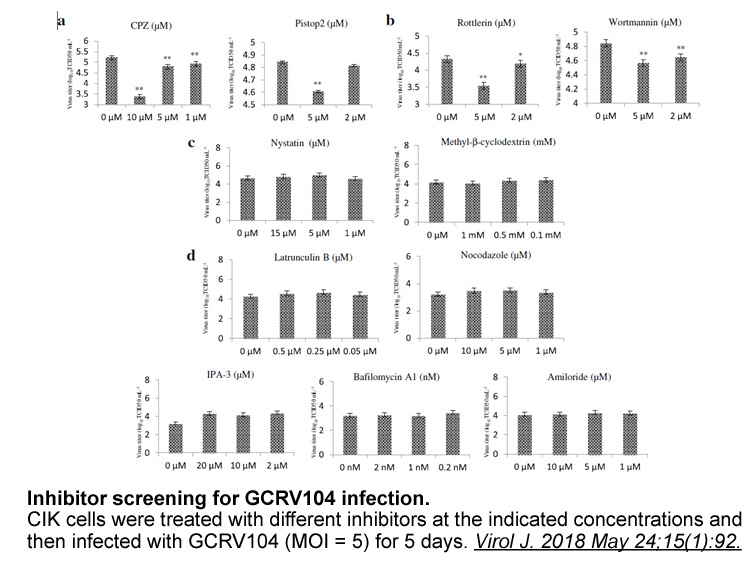
Here, we reported series of carbohydrate-modified compounds containing a dibromo substituted benzene ring which was derived from the red alga (). The conformation flexibility of BLU9931 and their polyol structures give them many unique biological properties as we have described earlier. More inter
-
Flavin adenine dinucleotide Introduction Glucose is the most
2022-03-03
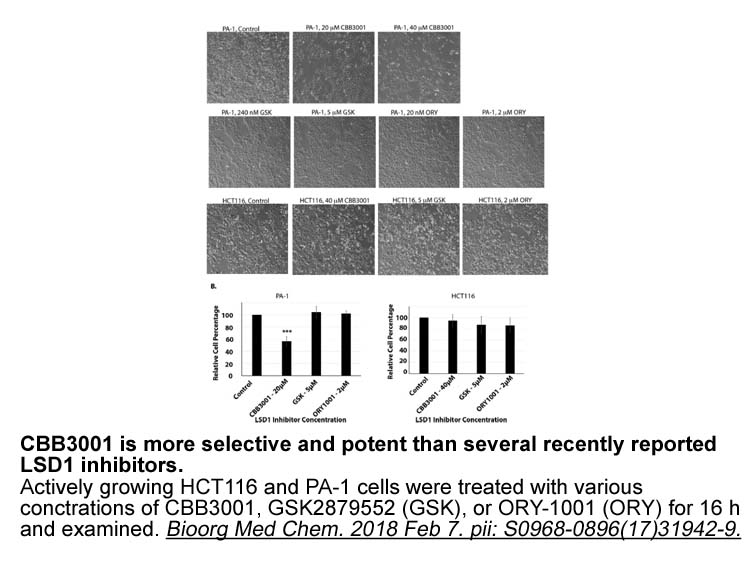
Introduction Glucose is the most important energy carrier of the brain. Glucose transporter type 1 (Glut1) is located at the blood–brain barrier and assures the energy-independent, facilitative transport of glucose into the brain [1]. Twelve transmembrane segments of the protein and an intracellula
-
In summary this study shows that compound d has strong
2022-03-02
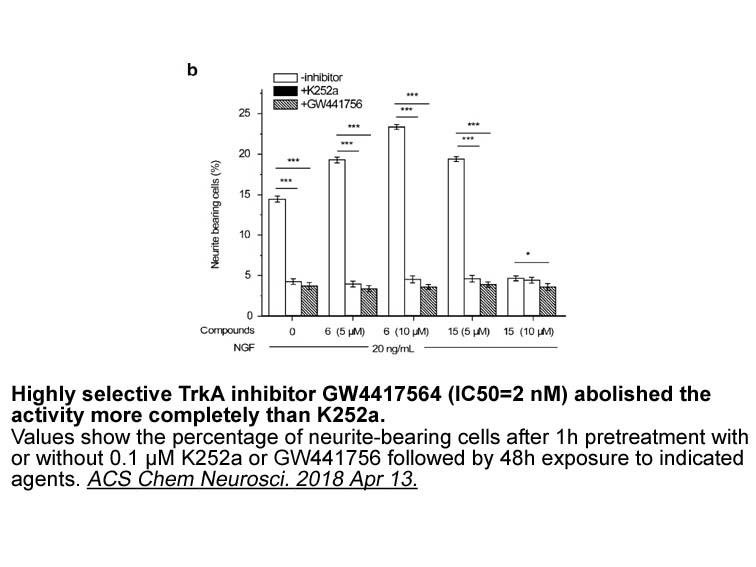
In summary, this study shows that compound 4d has strong clinical potential as an efficient GLP-1/GCGR agonist exhibits weight-lowering, lipid-regulation and diabetes-protective effects and plays an important role in the prevention and therapy of diet induced obesity and dyslipidemia. The present st
-
Taken together our results show that at least
2022-03-02
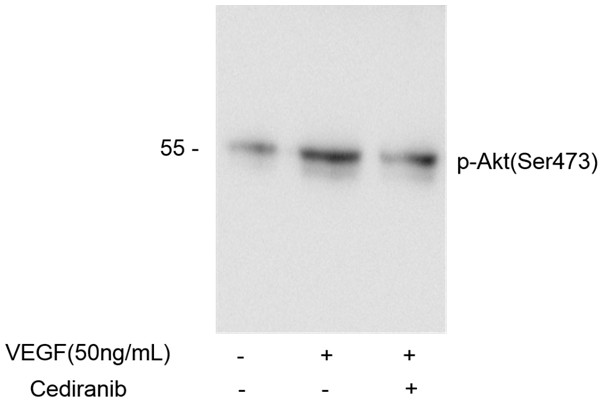
Taken together, our results show that, at least in the in vitro cell line model, methylation within the proximal promoter region of GHSR is an important determinant of its expression; however, to determine whether this represents a physiologically and or pathophysiologically relevant event, further
-
Different responses in feed intake have been noticed followi
2022-03-02
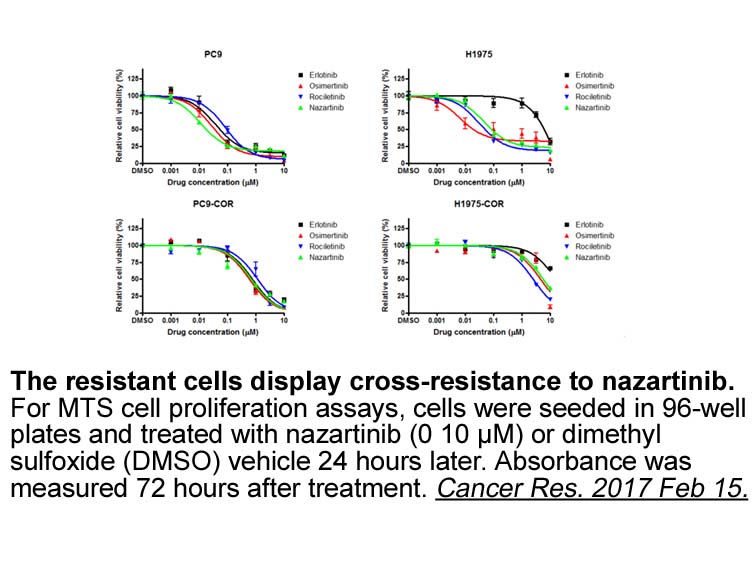
Different responses in feed intake have been noticed following administration of exogenous GHRL (peripherally or centrally) depending on animal species. In mammals, injection of GHRL stimulates food intake (orexigenic effect) (reviewed in Kaiya et al., 2013b). In contrast, in domestic birds, exogeno
-
CDK4 inhibitor According to the aforementioned preclinical a
2022-03-02
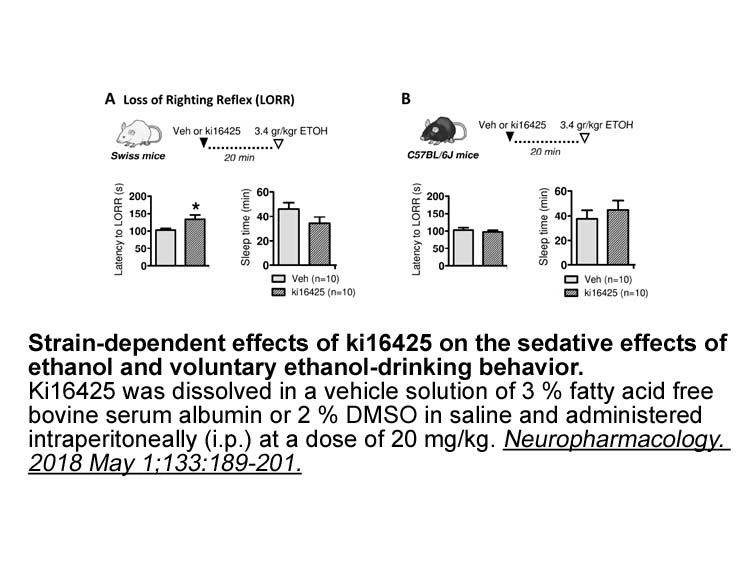
According to the aforementioned preclinical and clinical data, GHS-R1a blockade appears to be a potential pharmacological approach to treat AUD. Given that GHS-R1a has high constitutive (ligand-independent) activity, inverse agonism of the receptor may exert more potent and desirable effects than pu
-
Several transgenic and knockout congenic mouse models have b
2022-03-02
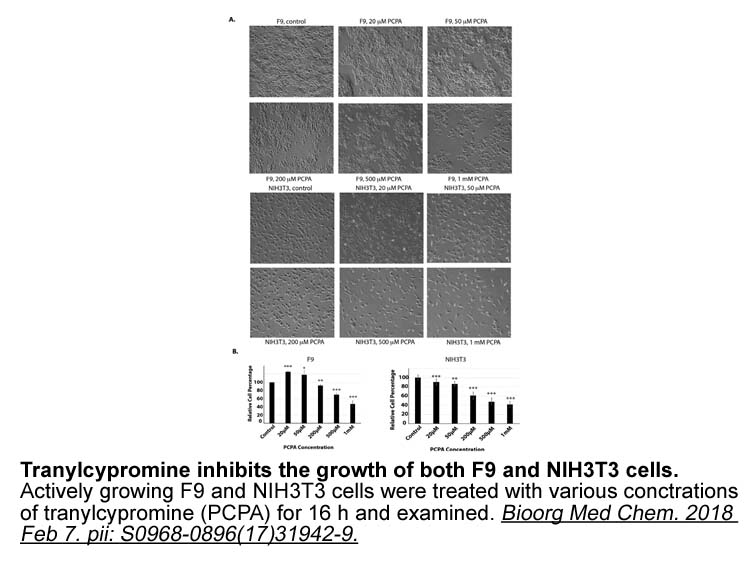
Several transgenic and knockout/congenic mouse models have been generated in order to assess the role of FFAR1 for proper insulin secretion and maintenance of glucose homeostasis. The results obtained with three different receptor knockout mouse models were not consistent. The protection against hig
-
Previously we have isolated liver FBPase from Pelophylax
2022-03-02
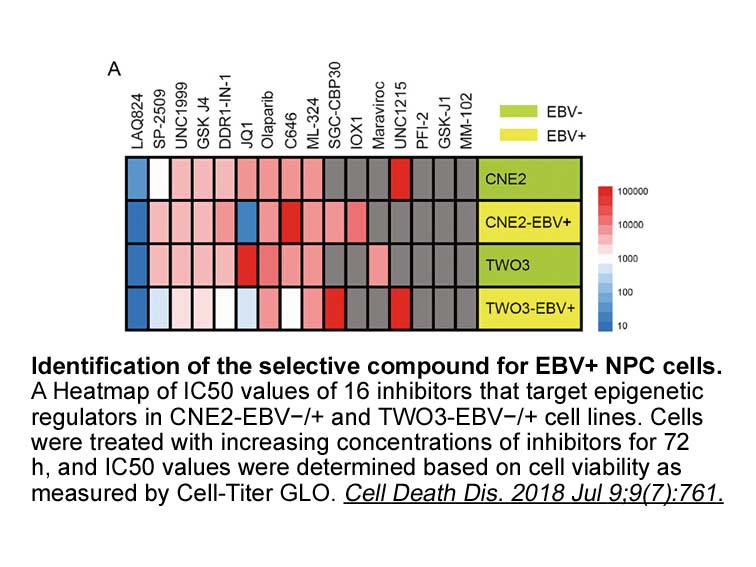
Previously we have isolated liver FBPase from Pelophylax esculentus (former Rana esculenta, Frost et al., 2006) and characterized its kinetic properties (Dziewulska-Szwajkowska and Dzugaj, 1999) on the contrary the muscle FBPase has never been fully characterized. The primary aim of the present pape
-
The importance of the histone chaperone function of Hat p
2022-03-02

The importance of the histone chaperone function of Hat1p was highlighted by the recent demonstration that the catalytic activity of Hat1p is not sufficient for its function in vivo. Fusion of a nuclear export signal (NES) to yeast Hat1p effectively excluded the enzyme from the nucleus, with a conco
-
br Obesity tips to a systematic failure in the overall
2022-03-02
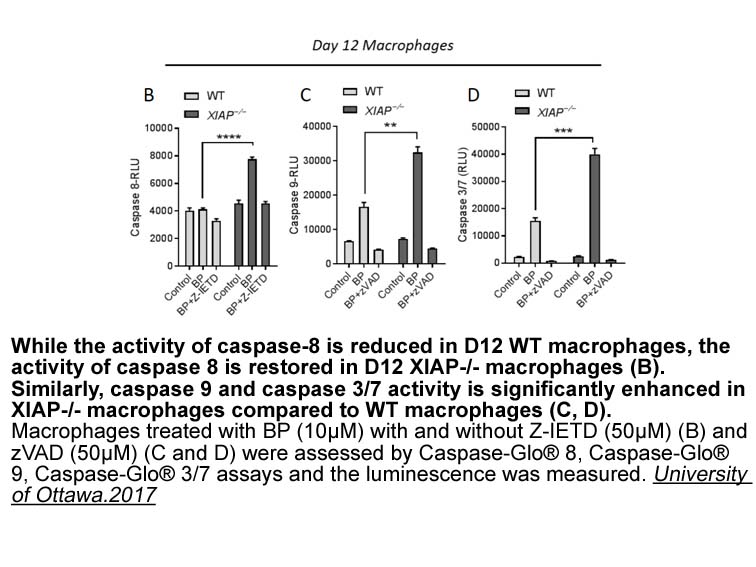
Obesity tips to a systematic failure in the overall metabolic regulation; it is a major global health problem and is linked to several metabolic diseases such as (T2D) (see ), (NAFLD), and cardiovascular disorders. The prevalence of such metabolic disorders has increased dramatically worldwide ,
-
Bile acids synthesized in the liver are secreted into the
2022-03-02
Bile acids synthesized in the liver are secreted into the intestinal tract to facilitate the digestion and KH CB19 synthesis of nutrients. Most bile acids are reabsorbed by the ileum and are transported back to the liver via the portal blood circulation. Recently, bile acids have also been consider
-
br Multiple sclerosis MS is
2022-03-02
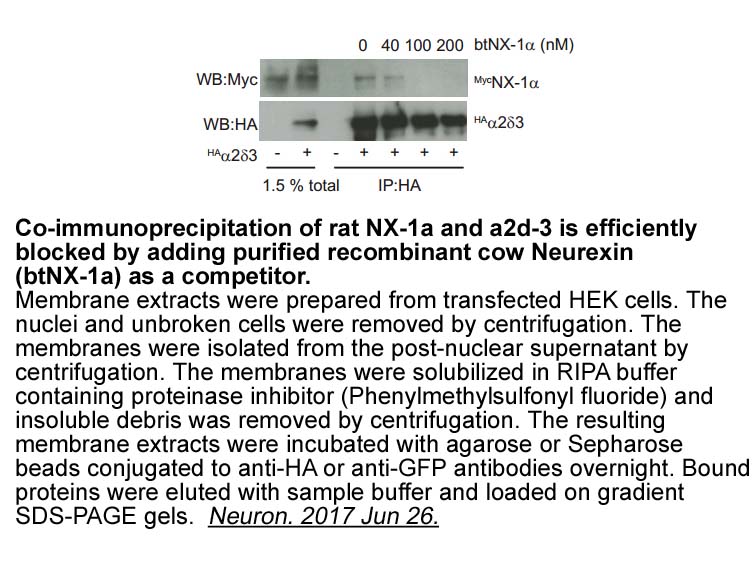
Multiple sclerosis MS is an immune-mediated disease of the human CNS with a pathological signature featuring immunocyte infiltration, altered cytokine production, oligodendroglial degeneration, astrogliosis, microglial activation, multifocal demyelination and axonal degeneration (Schipper, 2004b)
-
The discovery that the physiological functions of
2022-03-01
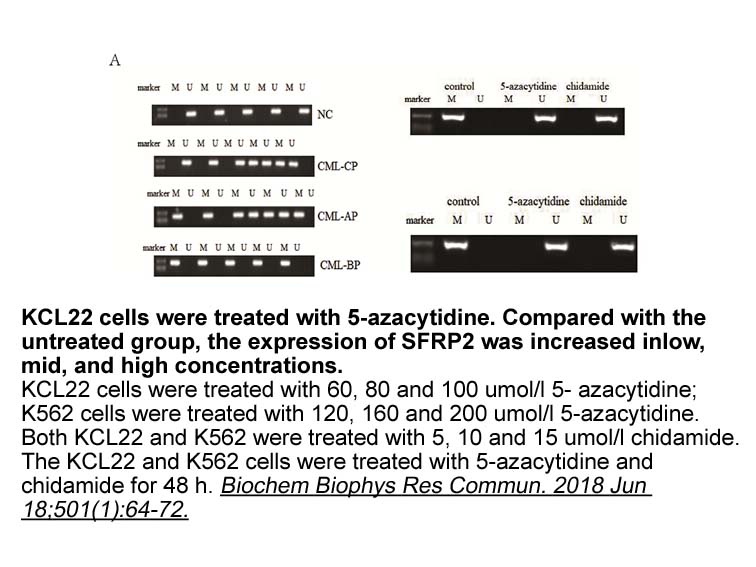
The discovery that the physiological functions of LPI are associated with the activation of specific GPR55 membrane receptor [4] has launched a new era of research on this lysophospholipid. However, the activation of membrane receptors by lysophospholipids is extremely complex due to the multitude o
-
Introduction l Glutamate is a major excitatory neurotransmit
2022-02-28
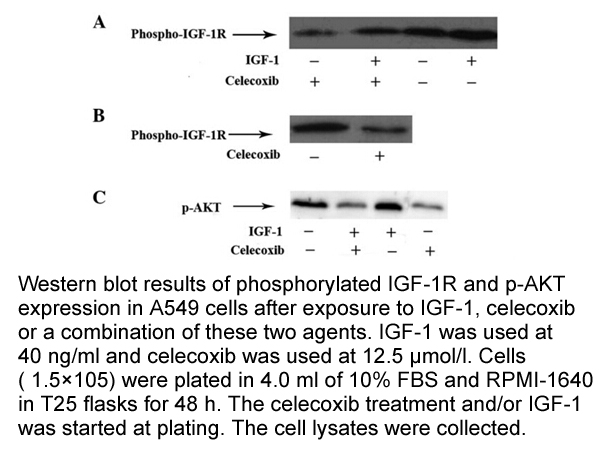
Introduction l-Glutamate is a major excitatory neurotransmitter in the mammalian central nervous system (CNS) that contributes not only to fast synaptic neurotransmission, but also to complex physiological processes like memory, learning, plasticity, and neuronal cell death [30], [81]. Glutamate is
-
br The GLI code The GLI code model
2022-02-28
The GLI code The GLI code model [21], [22] considers the total GLI function as a balance of positive activator (GLIA) and negative repressive (GLIR) activities with GLI1 being mostly a positive transcription factor and GLI3 mostly a transcriptional repressor. The GLIA:GLIR ratio is thus critical,
15266 records 521/1018 page Previous Next First page 上5页 521522523524525 下5页 Last page