Archives
- 2026-06
- 2026-05
- 2026-04
- 2026-03
- 2026-02
- 2026-01
- 2025-12
- 2025-11
- 2025-10
- 2025-09
- 2025-03
- 2025-02
- 2025-01
- 2024-12
- 2024-11
- 2024-10
- 2024-09
- 2024-08
- 2024-07
- 2024-06
- 2024-05
- 2024-04
- 2024-03
- 2024-02
- 2024-01
- 2023-12
- 2023-11
- 2023-10
- 2023-09
- 2023-08
- 2023-07
- 2023-06
- 2023-05
- 2023-04
- 2023-03
- 2023-02
- 2023-01
- 2022-12
- 2022-11
- 2022-10
- 2022-09
- 2022-08
- 2022-07
- 2022-06
- 2022-05
- 2022-04
- 2022-03
- 2022-02
- 2022-01
- 2021-12
- 2021-11
- 2021-10
- 2021-09
- 2021-08
- 2021-07
- 2021-06
- 2021-05
- 2021-04
- 2021-03
- 2021-02
- 2021-01
- 2020-12
- 2020-11
- 2020-10
- 2020-09
- 2020-08
- 2020-07
- 2020-06
- 2020-05
- 2020-04
- 2020-03
- 2020-02
- 2020-01
- 2019-12
- 2019-11
- 2019-10
- 2019-09
- 2019-08
- 2019-07
- 2018-07
-
Modulating protein stability specifically inhibiting ubiquit
2021-07-07
Modulating protein stability, specifically inhibiting ubiquitin E3 ligases, provides potential advantages over other druggable targets given the presence of biochemically multiple, unique pharmacophores within complexes that can bind a variety of small molecules [12]. The FBXO3 inhibitors used here
-
What's New Although the implication of DA and glutamate
2021-07-07
Although the implication of DA and glutamate signaling crosstalk in drug-evoked neuronal adaptations is well acknowledged, targeting the cognate receptors to alleviate symptoms is associated with a loss of efficacy over time and the appearance of severe sides effects, likely due to the involvement o
-
One of the hallmarks of the terminal stages of apoptosis
2021-07-07
One of the hallmarks of the terminal stages of apoptosis is the fragmentation of chromosomal DNA that proceeds in a two-step manner: the DNA is initially cleaved into 50–300kb fragments and eventually into oligonucleosomal pieces [12], [13]. The two major apoptotic nucleases are DNA fragmentation fa
-
Our finding that one enzyme acts both as a
2021-07-07

Our finding that one enzyme acts both as a primase and a DNAP poses evolutionary and mechanistic questions. In particular, why do cellular organisms require two enzymes to fulfill de novo DNA synthesis? The inability of cellular replicases to perform as primases might be dictated by the challenges a
-
br Material and methods br Results br Discussion Ligase IV
2021-07-07
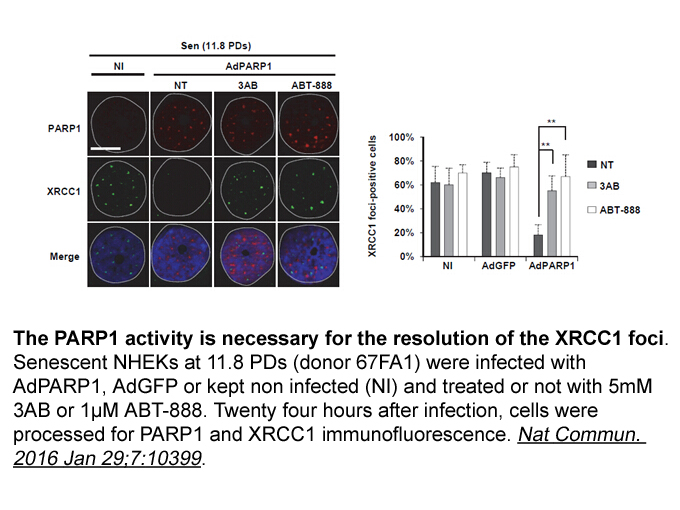
Material and methods Results Discussion Ligase IV is essential for the final ligation of DSBs through the NHEJ pathway. Its co-factor, XRCC4, has been shown to be important for increasing its activity and stability. Interaction between these two factors have been mapped to the linker region
-
LPA is known to regulate the peroxisome proliferator
2021-07-07
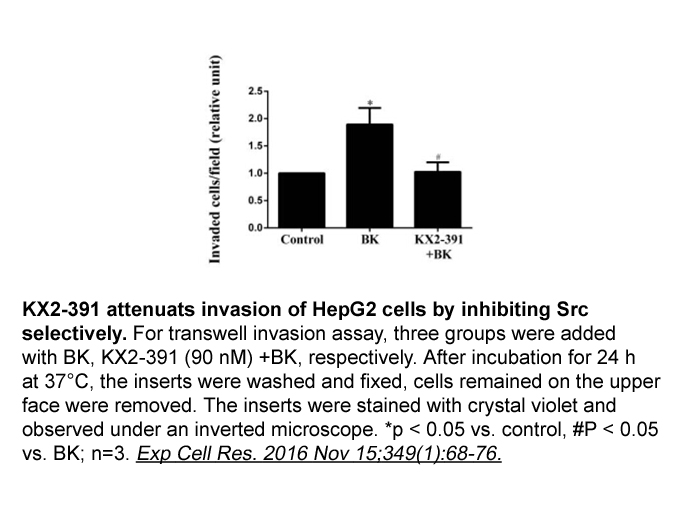
LPA is known to regulate the peroxisome proliferator-activated receptor γ and the reorganization of actin cytoskeleton [58]. However, the physiological functions of LPA in cells are still poorly understood. The simultaneous production of PA with/without 1-LPA or 2-LPA may be important to maximize a
-
Since these first results KSTD activity has been
2021-07-07
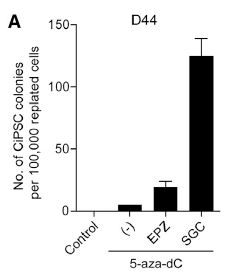
— Since these first results, Δ1-KSTD activity has been identified in many other microorganisms, albeit sometimes with different substrate preferences. For instance, Comamonas testosteroni ATCC 11996 (formerly Pseudomonas testosteroni) is active on several steroid substrates, but it cannot use 11β-h
-
Consistent with prior reports this
2021-07-07

Consistent with prior reports, this study also found the level of 11 cytokines (MIF, IL-1Ra, CTACK, M-CSF, Basic FGF, VCAM-1, SDF-1α, IL-8, IL-16, PDGF-β, and GRO-α) significantly decreased in the sera of adult HFMD patients in comparison with controls. MIF is a pro-inflammaory cytokine that is asso
-
Moreover a ligand for fusin has recently been found the
2021-07-07
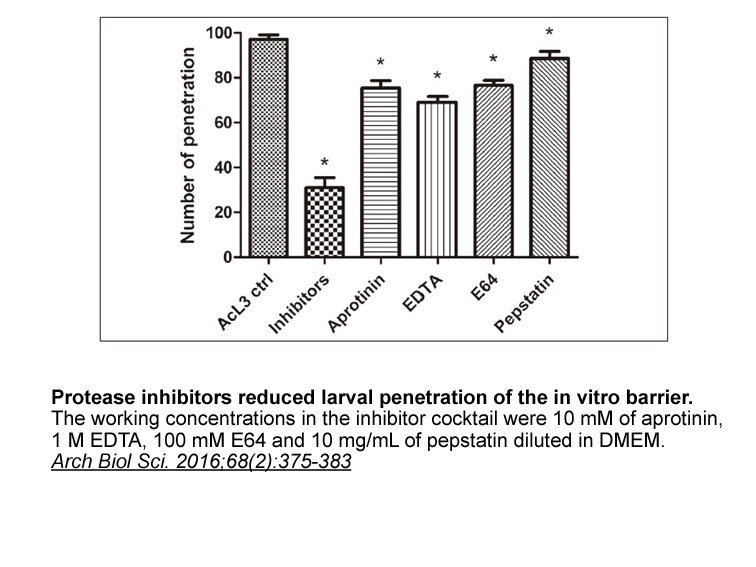
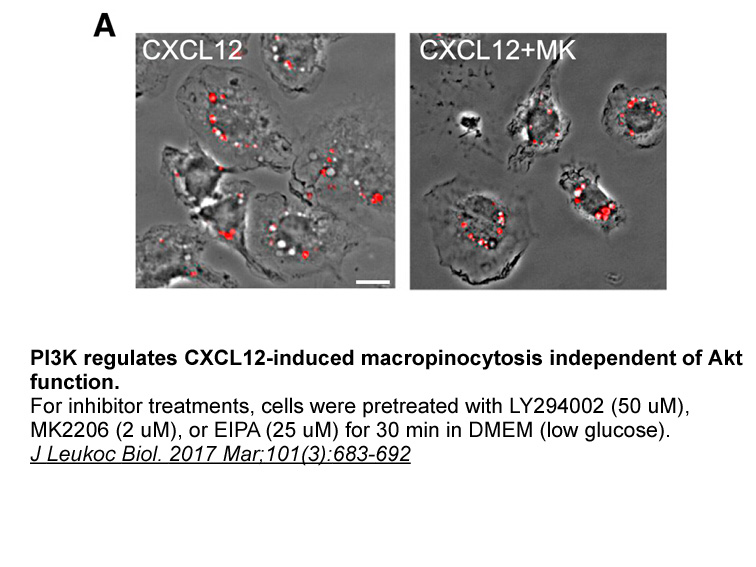
Moreover, a ligand for fusin has recently been found: the lymphocyte chemoattractant stromal-derived factor-1 (SDF-1) binds to CHO PF-2341066 transfected with fusin and promotes secondary messenger production (Bleul et al., 1996; Oberlin et al., 1996). A new name, CXCR-4, has been proposed for the r
-
The corticotropin releasing factor CRF also referred to as c
2021-07-07

The corticotropin-releasing factor (CRF) also referred to as corticotropin-releasing hormone, is a key mediator of mammalian endocrine, behavioral, autonomic, and immune responses to stress (Vale et al., 1981, Owens and Nemeroff, 1991, Bale and Vale, 2004). Within the hypothalamic–pituitary–adrenal
-
We further examined our hypothesis that the activation
2021-07-07
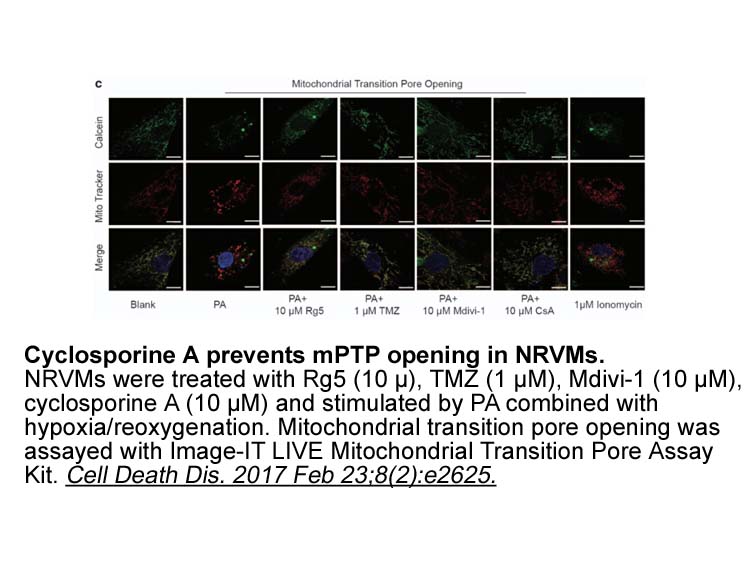
We further examined our hypothesis that the activation of CRF and CCK systems is responsible for the enhanced anxiety-like behavior induced by immobilization stress using two antagonists to block the expression of CRF1 and CCK2 receptors. It was found that CCK2 receptor antagonist CR2945 or CRF1 ant
-
The first group of tests was intended
2021-07-07
The first group of tests was intended to evaluate the performance of the GUI initialization. We evaluated the times obtained for different initial GUI models with 1, 2, 3, 5, 10, and 20 components as shown to the user. These sizes were chosen since GUIs (developed within our COTS-based architectures
-
br Conclusions In a former study we
2021-07-07
Conclusions In a former study we compared the modulating potential of halogenated 1H-benzimidazole derivatives towards CK2 catalytic subunits. Now we were interested if similar differences are also obtained using completely different substances. Some of these natural occurring compounds were alre
-
The indigenous populations living at high
2021-07-07
The indigenous populations living at high mountain regions of the Himalayas represent successful human SB 204990 to hypoxia. These populations have undergone selective positive natural selection over millennia across several genomic loci and exhibit unique respiratory, cardiopulmonary and haematolo
-
Contrary to the downregulation of
2021-07-06
Contrary to the downregulation of S1PR family GPCRs, CLL cells have increased mRNA expression of the lysophosphatidic Parecoxib Sodium (LPA) family receptors LPAR1, LPAR3 and LPAR4 compared to normal B cells [47]. Increased LPAR1 mRNA has been shown to be associated with more aggressive disease [47
15264 records 659/1018 page Previous Next First page 上5页 656657658659660 下5页 Last page