Archives
- 2026-10
- 2026-09
- 2026-08
- 2026-07
- 2026-06
- 2026-05
- 2026-04
- 2026-03
- 2026-02
- 2026-01
- 2025-12
- 2025-11
- 2025-10
- 2025-09
- 2025-03
- 2025-02
- 2025-01
- 2024-12
- 2024-11
- 2024-10
- 2024-09
- 2024-08
- 2024-07
- 2024-06
- 2024-05
- 2024-04
- 2024-03
- 2024-02
- 2024-01
- 2023-12
- 2023-11
- 2023-10
- 2023-09
- 2023-08
- 2023-07
- 2023-06
- 2023-05
- 2023-04
- 2023-03
- 2023-02
- 2023-01
- 2022-12
- 2022-11
- 2022-10
- 2022-09
- 2022-08
- 2022-07
- 2022-06
- 2022-05
- 2022-04
- 2022-03
- 2022-02
- 2022-01
-
br Introduction Cadmium is a
2024-11-09
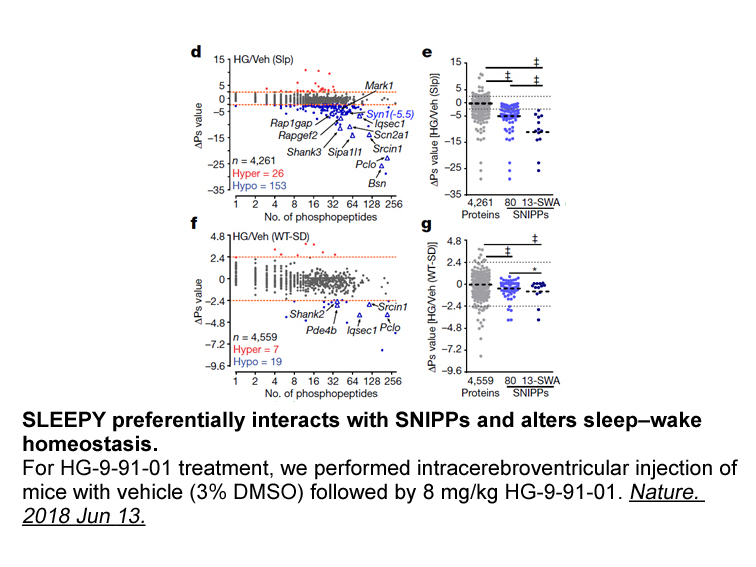
Introduction Cadmium is a major component of heavy metal pollution. Phytoremediation is considered to be the more effective method for recovering contaminated soil [[1], [2], [3], [4]] via cadmium absorption, transport, and accumulation. Several cadmium-associated proteins have previously been we
-
AP activity is increased by MAP kinase stimulation in differ
2024-11-09
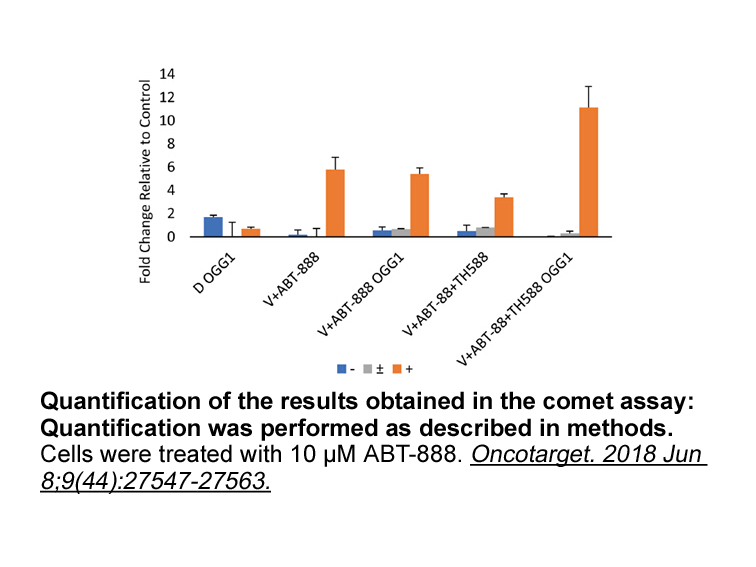
AP-1 activity is increased by MAP kinase stimulation in different cell types (Whitmarsh and Davis, 1996), while MKP-1, the enzyme that catalyzes the dephosphorylation and inactivation of MAP kinases in the nucleus, inhibits AP-1 (Rössler et al., 2008, Rössler and Thiel, 2009, Mayer et al., 2011, Thi
-
The current literature clearly states that there
2024-11-09
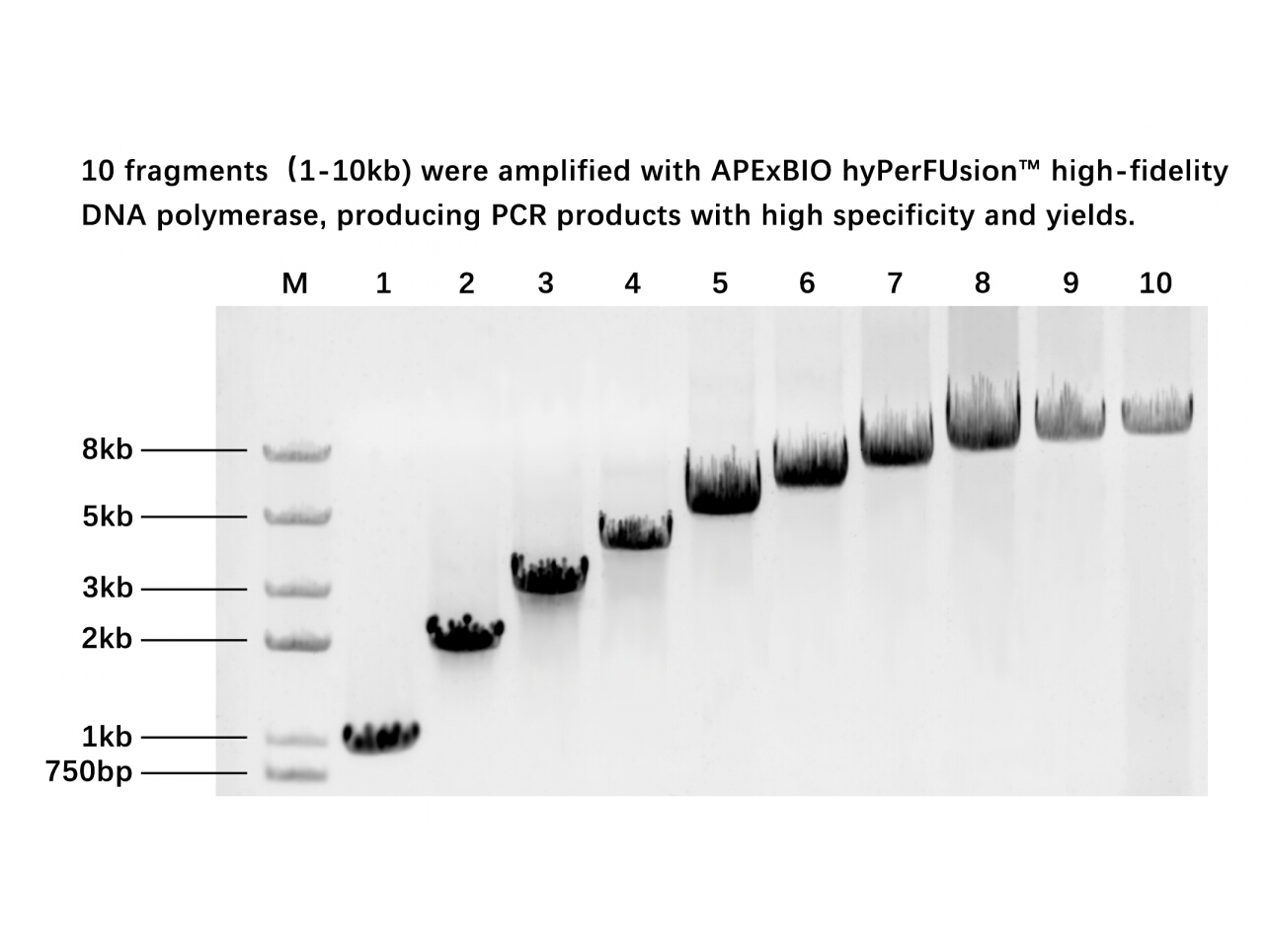
The current literature clearly states that there are no widely adopted standardized methods to determine the total antioxidant capacity of foods or biological samples. One should consider the antioxidant reaction mechanism in system to determine the most appropriate methods for the measurement. It h
-
br Material and methods br Results br Discussion In order
2024-11-08
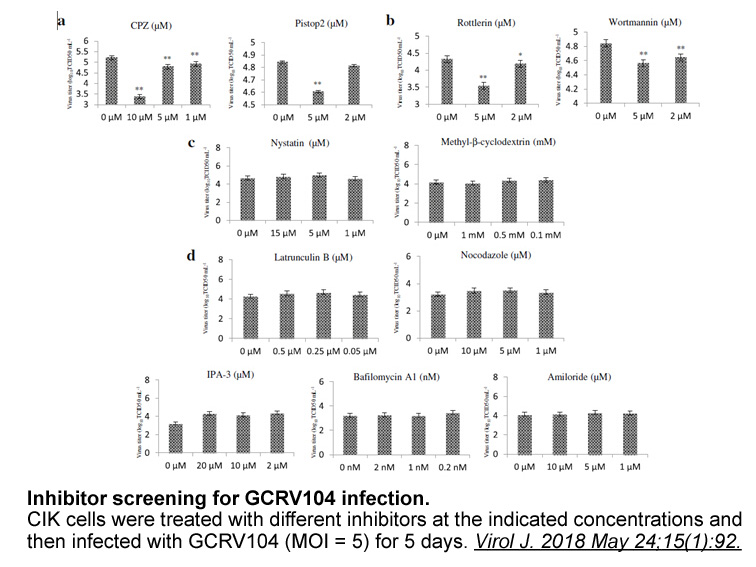
Material and methods Results Discussion In order to find new and improved ways of treating type 2 diabetes (T2D) and other related conditions it is vital that investigators gain a more in-depth understanding of the effects that anti-diabetic treatments, such as TZDs, have on molecules impli
-
ache inhibitor br Experimental section br Results
2024-11-08
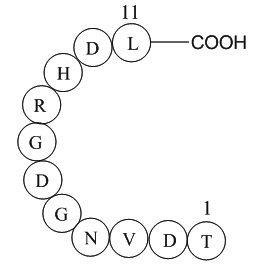
Experimental section Results and discussion Conclusion Acknowledgement This work was supported by the National Natural Science Foundation of China (Grant Nos. 81401489), the Shanghai Pujiang Program (17PJ1402800) and the Shanghai Sailing Program (Grant No. 14YF1409000). Introduction
-
Nx rats feces collected in
2024-11-08
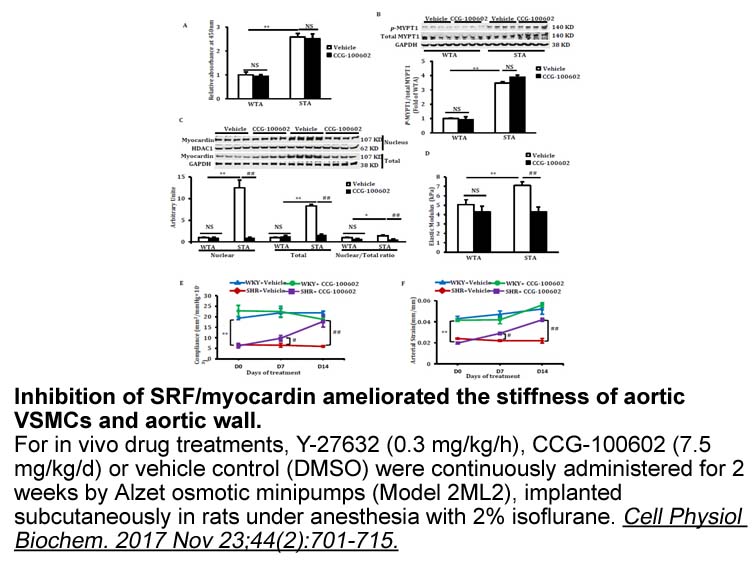
5/6Nx rats’ feces collected in 2 nd week, 4 th week, 6 th week, 8 th week and 10 th week were tested by 16S rDNA sequencing. The 16S rDNA sequencing data was analyzed in the level of PHYLUM, CLASS, ORDER, FAMILY and GENUS. There are more than 1000 types of gut microbiota in the level of Genus [50],
-
br Does TIPARP contribute to the diverse species
2024-11-08
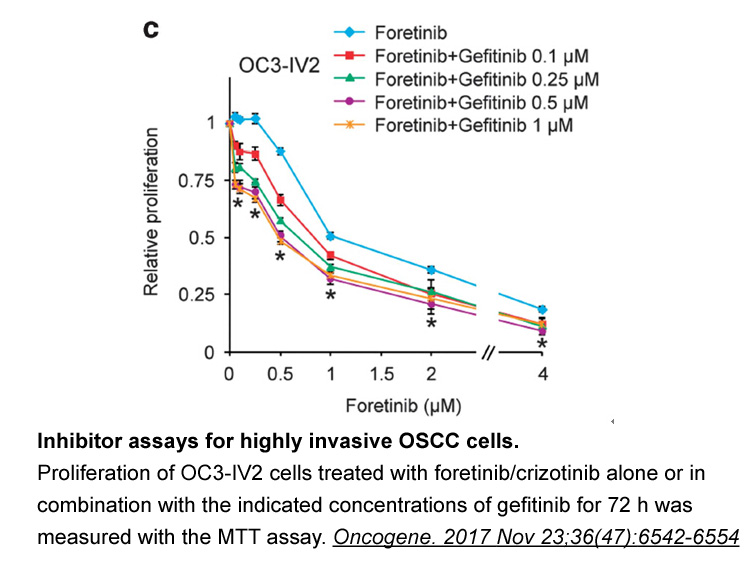
Does TIPARP contribute to the diverse species sensitivity to TCDD toxicity? In chick embryo hepatocytes TIPARP was reported to mediate the TCDD-dependent suppression of hepatic gluconeogenesis, by reducing cellular NAD+ levels and reducing PCK1 expression, suggesting that ADP-ribosylation enhance
-
br There are three types of HT receptors HT
2024-11-08
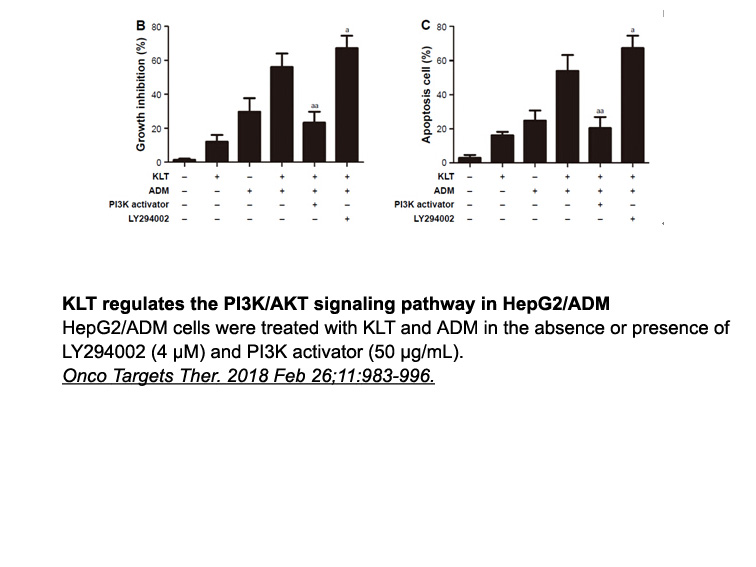
There are three types of 5-HT2 receptors. 5-HT2A, 5-HT2B and 5-HT2C receptors Exhibit 46–50% overall sequence identity and couple preferentially to Gq/11 to increase inositol phosphates and cytosolic [Ca2+] and in agreement with their long known role in muscle contraction and stimulation in the br
-
br Conclusion The HT receptor family is
2024-11-08
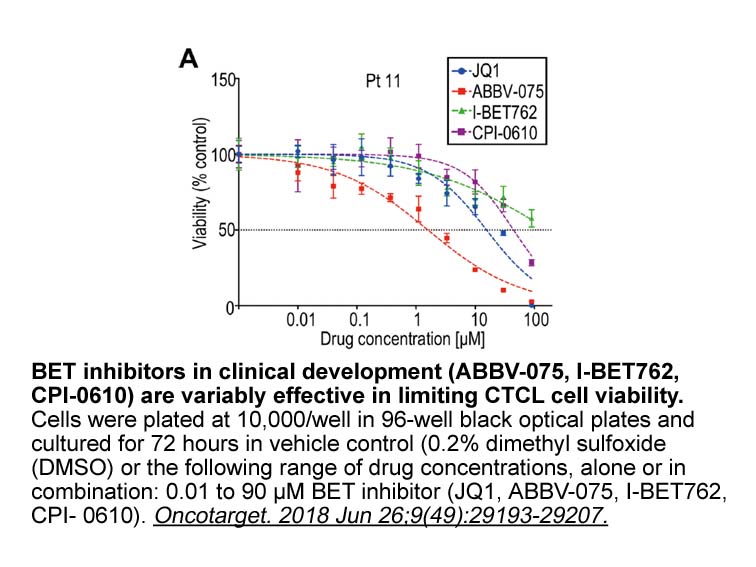
Conclusion The 5-HT receptor family is complex, and one may ask as does Bryan Roth et al. [205] whether this is useless 516 3 (i.e. too much redundancy) or an embarrassment of the riches (i.e. many potential targets to choose from to affect normal or pathological function); molecular biology has
-
Silk which is a mixture of mainly SF
2024-11-08

Silk, which is a mixture of mainly SF and sericin, has an extensive history in clinical application as a suture material. Unwanted immune reactions to silk sutures observed early on in their application were assigned to the presence of sericin. However, in vitro and in vivo evaluations of pure SF fi
-
Though we have proved that VA could suppress hepatic glucone
2024-11-08
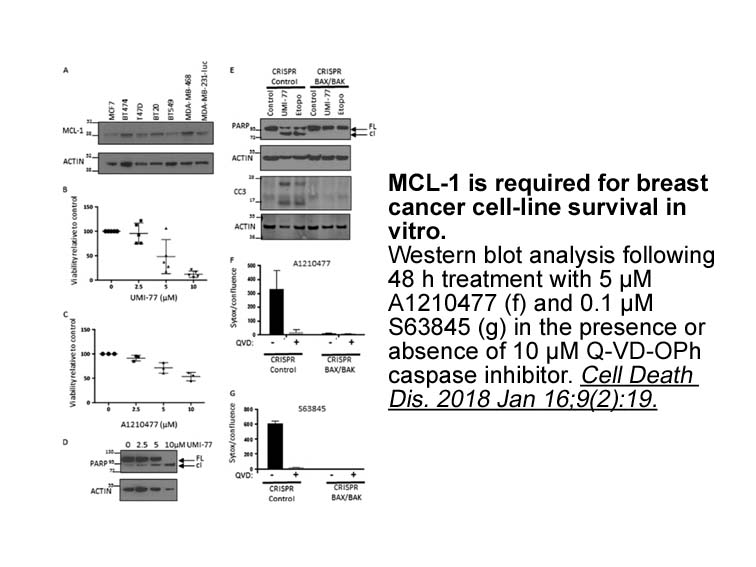
Though, we have proved that VA could suppress hepatic gluconeogenesis, the mechanisms of VA on gluconeogenesis in vivo and in vitro remain unclear. AMP-activated protein kinase (AMPK), which is called an energy receptor enzyme, is widely expressed in liver and other tissues [23]. AMPK has become ano
-
br The MIR The MIR is defined
2024-11-08
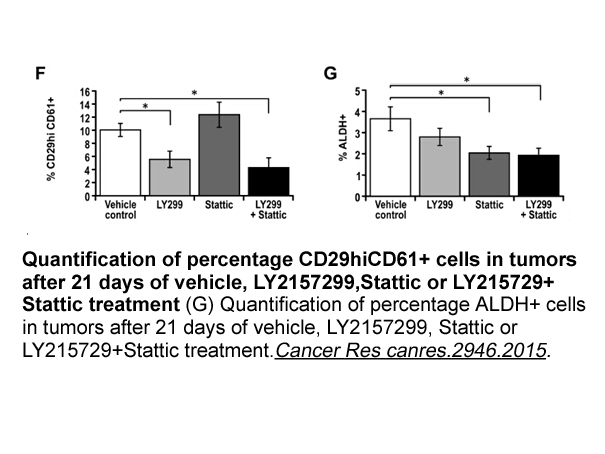
The MIR The MIR is defined by the ability of a single rat mAb to muscle or electric organ AChRs, typically mAb 35, to block binding of half or more of autoantibodies in human MG or EAMG [44], [45], [46]. Antibodies to the MIR are pathologically significant because they exhibit all the major patho
-
DRiPs also contribute to formation of protein aggregates tha
2024-11-07

DRiPs also contribute to formation of protein ceritinib receptor that result from dysregulation of proteostasis, during which the proteolytic machinery is unable to process and degrade defective proteins (Tyedmers et al., 2010). Aggregation of poly-ubiquitinated proteins has been observed in differe
-
br Crystal structure ACLY protein is a homotetramer of four
2024-11-07
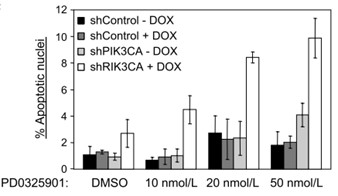
Crystal structure ACLY protein is a homotetramer of four identical subunits [9]. Each polypeptide chain contains 1101 amino-acid residues [10]. The crystal structure of full-length ACLY protein is yet unresolved. However, Sun et al. recently succeeded in crystallizing chymotrypsin-truncated human
-
br Experimental section br Competing interests br
2024-11-07
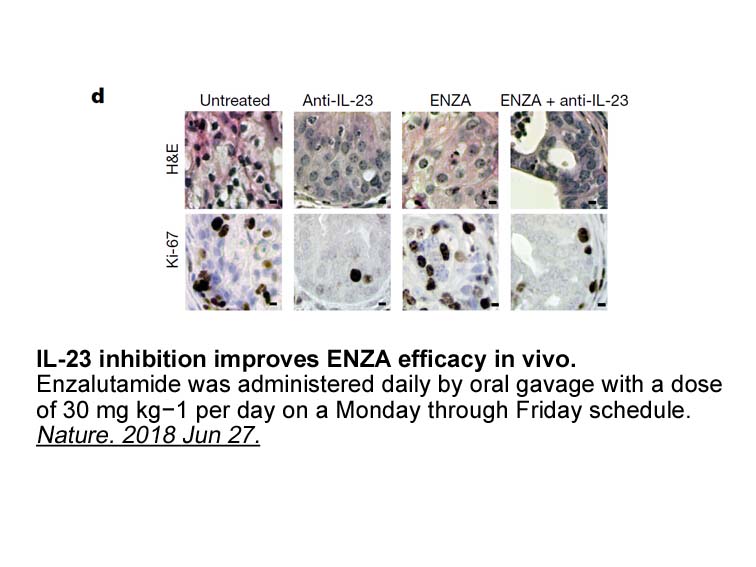
Experimental section Competing interests Author's contributions Acknowledgement This research is partially supported by a seed fund for the Center for Drug Discovery and Translational Research (LS) and a research grant by Fujifilm (VPS and LS). The Sponsors played no roles in study desig
8477 records 93/566 page Previous Next First page 上5页 9192939495 下5页 Last page